








Artificial intelligence (AI) is often praised as a clean, more efficient use of technology, but behind each chatbot response and image generator is a growing toll on our environment. As AI tools are becoming more frequently used in classrooms, businesses, and everyday life, the massive data centers that power them consume copious amounts of electricity and water, leading to carbon emissions and environmental strain. Students and teachers alike use AI to help with things like homework, grammar, and everyday questions. But the real question is, are the environmental effects of AI worth the damage that it’s causing? As concerns about AI’s environmental footprint begin to grow, many educators are beginning to question if the convenience of AI outweighs the costs. Rachel Steward, science teacher, provides her point of view on the affects to our earth.
“AI is damaging our ecosystem and that is not worth the benefits, only because of how much water it actually uses and it’s a finite amount. Also real estate, in terms of land,” Steward said.
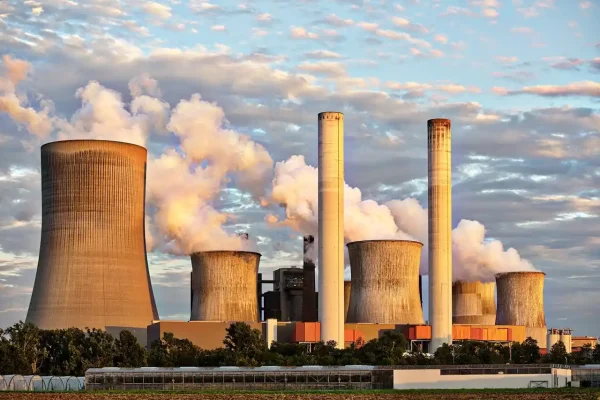
Water use is a huge take from the pollution downsides of AI, as large data processing centers require huge amounts of water to function. A single large data center can consume one to five million gallons of water per day for cooling. Mandy Kotraba, science teacher, shares her knowledge on water use.
“AI is changing how water moves on planet earth,
just by using AI and then the huge data processing centers,” Kotraba said.
The technology relies on massive data centers that consume large amounts of electricity and water. These systems run nonstop to store data and generate responses, contributing to higher strain on natural resources.
“If you’re burning coal, that means more air pollutants in the air, more acid rain. We’ve gotta do something with the coal ash, right? That has to be mined. And so there’s mountaintop removal and surface mining that has to happen to get the coal. So based on just electricity alone, huge impacts.” Kotraba said.
While the environmental costs of AI raise concerns, people also acknowledge that the new technology also offers benefits when used responsibly. AI has the potential to positively affect our society. However, many believe the use should be limited and used more carefully, focused on more necessary purposes rather than convenience.
“But as for what artificial intelligence is actually used for, it needs to be used for useful things like folding my laundry or like medical advances or things that actually help people as a whole and not take away or reduce us,” Steward said.
For things like school projects or homework, a search instead of asking an AI chatbot can be the difference between millions of gallons of water, many acres of land and overall impacts.
“Try to do a regular google search for most of your searches and save Chat GPT for more important things,” Kotraba said.
While artificial intelligence continues to grow and benefit students, its environmental impact cannot be ignored. As awareness increases, many believe the solution is to use AI more thoughtfully and responsibly. By limiting free-use searches on ChatGPT, individuals and companies can help reduce environmental strain while still allowing AI to benefit society.